Wired Is Back: Bose Just Made Noise-Cancelling Earbuds With a Cable Again
Bose's $99 Noise Cancelling Wired Earbuds plug into USB-C, need no charging and keep real noise cancelling. Why wired is back, and who should buy them.
We pick every product independently. If you buy through our links, we may earn a commission at no cost to you. How we make money.
For a decade, the headphone industry told us the cable was the problem. Now Bose, one of the companies that sold us on wireless noise cancelling, is selling a cable again. On September 28 it announced the Noise Cancelling Wired Earbuds: $99, USB-C, no battery, and real active noise cancelling. They ship October 15, 2026, and are on preorder now.
"Wired earbuds are experiencing a cultural renaissance," Bose's Raza Haider said in the announcement. He is not wrong. Wired buds have become a quiet style statement: cheap, analog-looking, impossible to lose in a sofa, and never dead when you need them.
Why wired is back
Three reasons, and none of them are nostalgia alone.
No charging. These draw power from your phone or laptop. There is no case to top up and no battery that fades after two years, which is the quiet flaw of every pair of wireless buds.
No lag. Bluetooth adds delay. A cable does not, which is why Bose pitches these for video, gaming and content creation.
Better signal for the money. Bose says the earbuds output 24-bit/48kHz audio over USB-C. At $99, that is a lot of sound per dollar.
The trade-off is the obvious one: a wire. It catches on a bag strap, and it ties you to the device. For a commute, a desk or a flight, most men will not care.
What you get
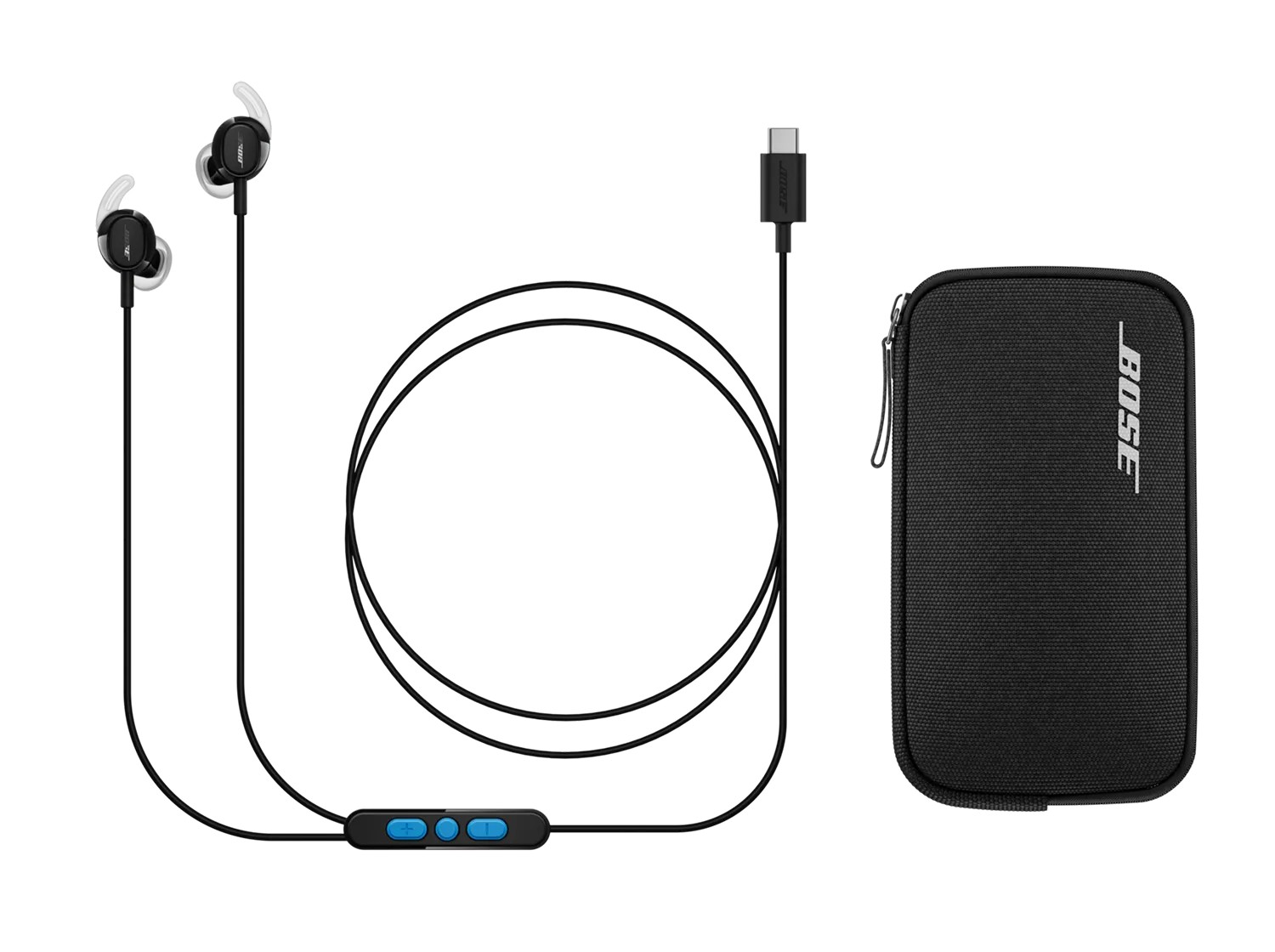
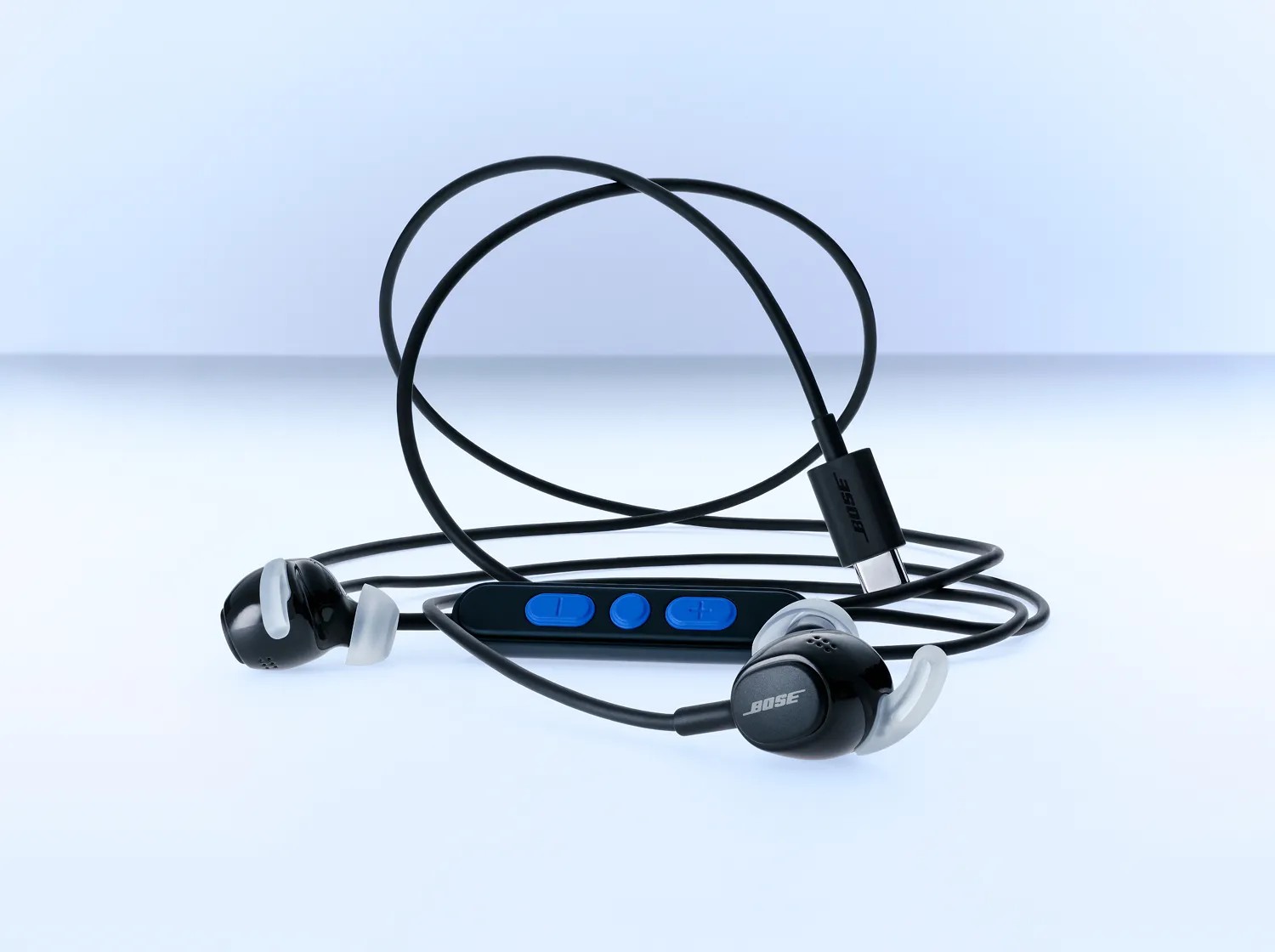
Bose's QuietControl noise cancelling uses four microphones, two in each earbud, with three modes: Quiet, Aware (lets the world in) and ANC Off. A three-button in-line remote handles volume, playback, calls and switching modes, with its own microphone for calls. The 4.2-foot cable ends in USB-C.
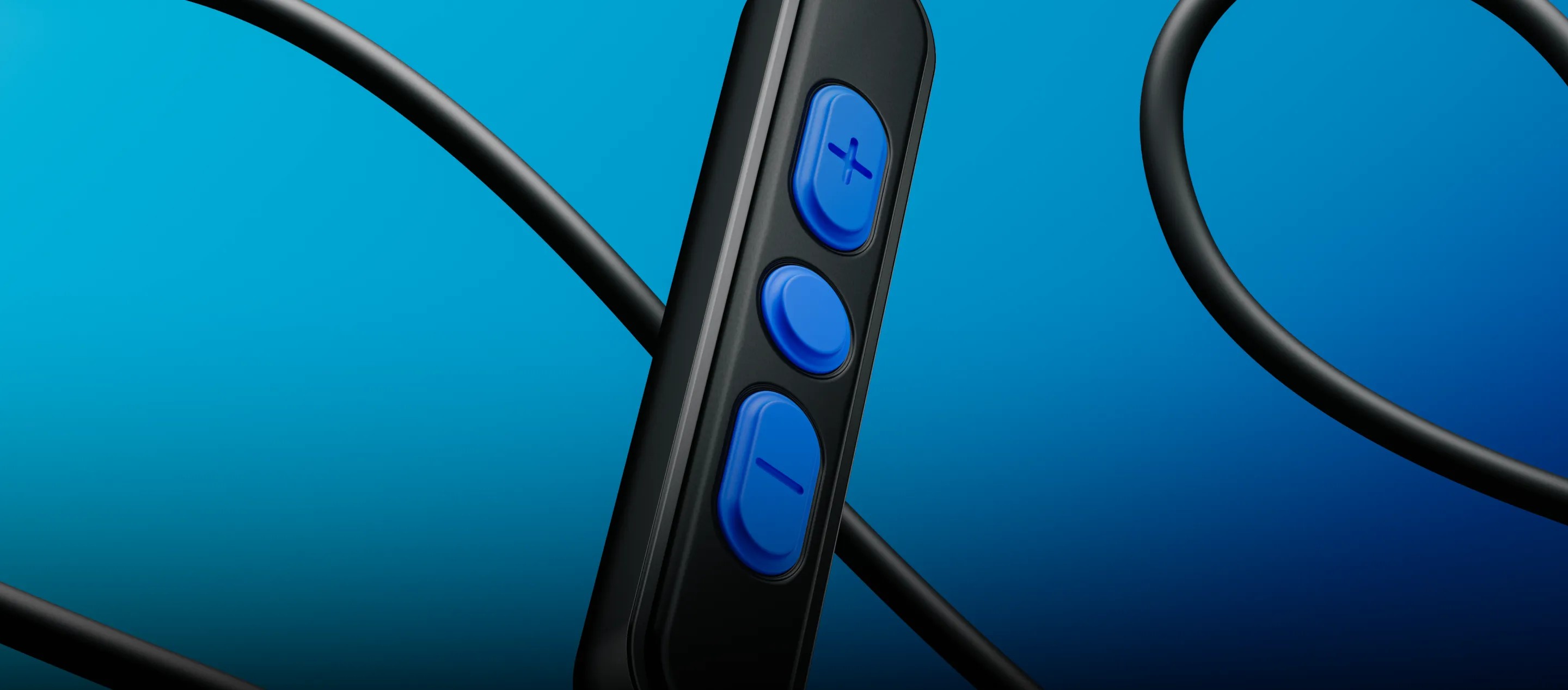
In the box: S, M and L eartips, M and L stability wings, and a zippered carry case. They are rated IPX4, so sweat and a light rain are fine; a swim is not.
Colours
Black with blue accents, White Smoke with lime accents, and a limited-edition Dewdrop Mint. Black is the one that goes with everything, and the blue remote is a nice touch that reads more design object than office supply.
How to wear wired without looking like 2009
The reason wired buds read as cool again is that they look deliberate. A few rules:
- Keep the cable clean. Run it under a jacket or overshirt and out at the collar, not across your chest. Our guide on how to wear an overshirt has the right kind of layer for it.
- Match the colour to the outfit. Black disappears with dark clothes; White Smoke looks sharp with a white tee or a grey knit.
- Carry the case. Balling a cable into a pocket is how wires die. Bose includes a zippered case; use it.
Who should buy them
- The commuter who wants noise cancelling on the train without worrying about battery.
- The desk worker who takes calls all day on a laptop with USB-C.
- The gamer who wants low latency without a headset.
- The minimalist who likes the look of a wire and is done charging one more gadget.
If you want the full wireless flagship experience, our best noise-canceling headphones guide covers the over-ear options, and Bose's own dressed-up flagship is in our story on the Bose x Thom Browne QuietComfort Ultra. For more, see our audio coverage and the tech hub.
The catch
USB-C only. If your phone still has a Lightning port, you need an adapter, and none is listed in the box. And because they draw power from your phone, heavy use will take a bit of its battery. For $99 and no charging ever, that is an easy trade.
Shop the look
Our guides for this look: The 7 Best Noise-Canceling Headphones for Men in 2026
FAQ
How much are the Bose Noise Cancelling Wired Earbuds?
$99. Bose opened preorders on September 28, 2026, and says they ship on October 15.
Do they need charging?
No. They plug into a USB-C port and draw power from the connected device, so there is no battery to charge.
Will they work with an iPhone?
They use USB-C, so they plug straight into iPhones with a USB-C port and most current Android phones and laptops. Older phones with a Lightning port would need an adapter.